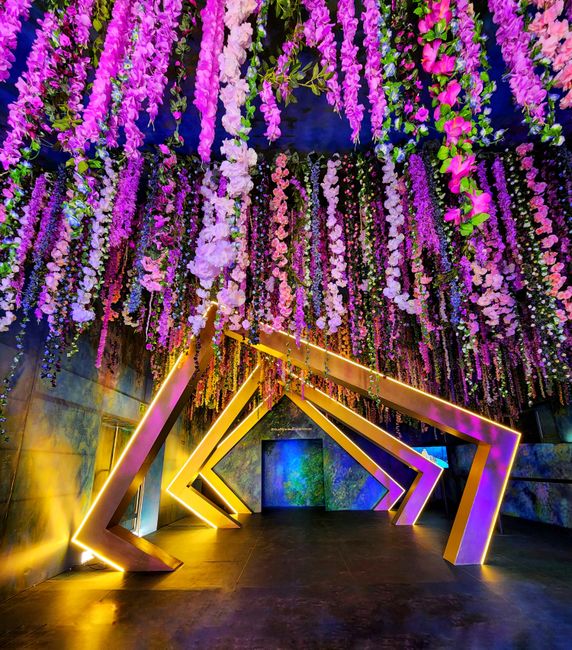
Permit checklist for large floral installations in Pimlico
Posted on 22/09/2026
If you are planning a statement floral piece in Pimlico, the creative part is usually the easy bit. The tricky part is everything around it: permissions, access, timings, safety, and making sure your installation does not cause headaches for the venue, building manager, or local authority. A good Permit checklist for large floral installations in Pimlico helps you get that balance right before the first stem is even cut.
Truth be told, large floral work often looks effortless when it is done well. But behind the scenes there can be ladders, loading bays, protected entrances, narrow pavements, temporary fixings, and a lot of people needing to say yes. In a neighbourhood like Pimlico, where residential streets, hotels, galleries, churches, and event spaces can sit side by side, the difference between a smooth install and a stressful one is usually preparation.
This guide walks through what to check, who to speak to, what documents to gather, and how to avoid the usual last-minute panic. Whether you are a florist, event planner, venue coordinator, or client commissioning a large-scale display, you will find a practical path through the process.
Table of Contents
- Why the checklist matters in Pimlico
- How the permit process works
- Key benefits and practical advantages
- Who needs this and when it makes sense
- Step-by-step guidance
- Expert tips for better results
- Common mistakes to avoid
- Tools, resources and recommendations
- Law, compliance, standards and best practice
- Options, methods, and comparison table
- Case study or real-world example
- Practical checklist
- Conclusion
- Frequently asked questions
Why Permit checklist for large floral installations in Pimlico Matters
Large floral installations are not just oversized bouquets. They can include suspended pieces, floor-to-ceiling displays, floral arches, entrance statements, window installations, branded backdrops, and arrangements that need mechanical support or temporary attachment points. Once you move into that scale, the practical and regulatory questions multiply quickly.
Pimlico adds its own layer of complexity. The area has elegant residential streets, mixed-use buildings, prestige venues, and tight access routes in places. That means your installation may need to account for shared entrances, loading constraints, neighbour sensitivity, and the sort of building rules that are never obvious until someone asks for them at 4.45pm. We have all been there. Not ideal.
A proper permit checklist does three things at once:
- it helps you identify what approvals are needed before work begins;
- it keeps the project moving by reducing back-and-forth with venue staff or property managers;
- it lowers the risk of damage, disruption, or refusal on the day.
For larger builds, the real risk is rarely the flowers themselves. It is the logistics around them. A beautiful arch can become a problem if it blocks a fire exit, drips water onto a polished floor, arrives too late for access, or needs fixings that the building will not allow. Planning early is not overcautious. It is professional.
Expert summary: if your floral installation is large enough to affect access, visibility, structure, or building operations, assume permission will matter. Confirm the rules early, document everything, and treat the checklist as part of the creative brief, not an admin afterthought.
How Permit checklist for large floral installations in Pimlico Works
There is no single universal permit for floral installations. Instead, permissions tend to come from a mix of sources depending on where the work will sit and what it will touch. In practice, you may need approval from a venue, a building owner, a managing agent, a local authority team, or a highway or traffic-related department if the display affects public space.
The easiest way to think about it is this: where is the installation, what does it affect, and who has control over that space? If the answer involves public access, shared property, or structural contact, you should expect more scrutiny.
Typical permit and approval checkpoints can include:
- venue permission for indoor or event-based displays;
- building management approval for residential or commercial buildings;
- consent for use of walls, ceilings, railings, frames, or fixings;
- access approval for delivery vehicles, lifts, loading zones, and stair use;
- risk assessments and method statements for larger or more complex installs;
- public realm permissions where pavements, entrances, or street space are involved.
Depending on the project, the process may be simple and polite, or it may become a multi-step sign-off chain. The smartest move is to start with the project location and build the checklist from there. It saves time and, frankly, saves face when everyone else is suddenly looking to you for answers.
For clients who also need flowers delivered to the venue or nearby address, it is worth aligning the installation schedule with the logistics of the drop-off itself. A local option such as flower delivery in Pimlico SW1 can be useful when you are organising staging, replacement stems, or supporting arrangements in the same area.
Key Benefits and Practical Advantages
A strong permit checklist does more than keep you compliant. It improves the whole project from planning through to breakdown. You notice this especially on bigger jobs, where half an hour saved in setup can mean the difference between a calm install and a scene involving tape, phone calls, and someone muttering about the lift key.
Here are the main advantages:
- Clearer planning: you know what is allowed before you invest in materials or structures.
- Fewer delays: approvals are sorted before the van arrives, not during the installation window.
- Better design decisions: you can adapt the concept to suit the site instead of fighting the building.
- Lower risk of damage: floors, walls, entrances, and fixtures are protected from preventable issues.
- Improved client confidence: organised paperwork makes you look calm and credible.
- Cleaner handover: everyone knows who is responsible for access, approval, and removal.
There is also a softer benefit that people underestimate: peace of mind. When the legal and logistical basics are covered, the creative team can focus on shape, proportion, flower choice, and the overall atmosphere. That is where the work becomes enjoyable again.
If your installation is part of a wider event package, it can help to align the floral brief with related service pages too. For example, larger decorative work often sits alongside other occasion-led orders such as wedding flowers in Pimlico or venue-friendly seasonal arrangements from luxury flowers when the client wants a polished finish.
Who This Is For and When It Makes Sense
This checklist is relevant for anyone responsible for a large floral piece that interacts with a building, venue, or public-facing space. That includes florists, event designers, wedding planners, corporate teams, property managers, and private clients who want a substantial display without guesswork.
It especially makes sense when the project involves one or more of the following:
- a hotel lobby or reception area;
- a church, chapel, or ceremonial setting;
- a shopfront, showroom, or branded display;
- a wedding or private celebration at a venue with strict access rules;
- large freestanding structures, arches, or statement entrances;
- any installation that needs to be fixed, suspended, or secured.
If your design is small enough to place on a table and remove in one hand, you may not need much more than venue awareness and basic delivery planning. But once the installation starts influencing circulation, safety, or structure, the permit conversation becomes a real one.
In our experience, clients often ask, "Do we really need to bother with all this?" The honest answer is: if there is any doubt, yes, because the alternative is usually more expensive, more awkward, and much less charming. Large floral work is supposed to elevate a space, not become the thing everyone has to work around.
Step-by-Step Guidance
A sensible permit process can be broken down into a sequence. Keep it simple and treat each step as a checkpoint rather than a formality.
1. Define the installation clearly
Start with the basics: size, location, duration, flower types, support method, and whether the piece is freestanding, hanging, or attached to a structure. A vague brief causes muddled approvals. A clear brief helps everyone make a yes-or-no decision faster.
2. Identify who controls the space
Ask who has authority over the area where the installation will sit. It might be a venue manager, landlord, building manager, facilities team, concierge, or local authority contact if public space is involved. This is where many projects slow down, because the wrong person gets asked first. A small but annoying delay. Easy to avoid.
3. Check access and delivery conditions
Work out when the installation can be brought in, where the van can stop, how equipment reaches the site, and whether lifts, stairs, or loading areas have restrictions. Pimlico streets can be busy at peak times, so timing can matter as much as the permit itself.
4. Review safety and protection requirements
Consider floor protection, water containment, cable management, structural support, fire exit clearances, trip hazards, and any items that could fall or shift. If the flowers are part of a larger decorative frame, ask whether the building expects a method statement or risk assessment. Many venues do, and it is better to have them ready than to scramble on the day.
5. Confirm attachment and fixing rules
Do not assume you can tape, nail, clamp, cable-tie, or hang from whatever is available. Ask what is allowed. Some sites are relaxed about freestanding pieces but strict about fixings. Others are the opposite. It varies more than people expect.
6. Agree timing for install and removal
Set clear windows for delivery, installation, photography, and breakdown. If there is an event schedule, build around it. A beautiful floral wall is far less delightful if staff are trying to move guests around it while you are still attaching the final bloom.
7. Put approvals in writing
Email confirmations, site notes, and signed permissions are worth keeping together. If a venue manager changes, or if there is a question on arrival, you want evidence of what was agreed. Not in a dramatic sense. Just in the practical, save-your-evening sense.
8. Recheck the plan shortly before the date
Buildings change, schedules slip, and access arrangements can shift. A quick reconfirmation 24 to 72 hours before the installation can prevent silly surprises. That last check often feels like overkill right up until it saves the project.
Expert Tips for Better Results
Once the paperwork is in motion, the quality of your decisions matters. The best installations are usually the ones that look effortless because they were built on deliberate choices.
- Use modular design where possible. Smaller sections are easier to carry, correct, and remove than one giant unit.
- Keep the structure lightweight. Large does not have to mean heavy. In fact, it often should not.
- Choose flowers that tolerate time on site. Some varieties hold better under warm lights, dry interiors, or long event days than others.
- Build in slack time. If you think setup takes two hours, plan for two and a half. Maybe more if lifts are involved.
- Protect the venue first. A perfect arrangement is no comfort if the floor is scratched or the wall is marked.
- Keep a backup kit. Spare tape, scissors, hydration wrap, cable ties, gloves, cleaning cloths, and extra flowers can rescue a borderline day.
A small human tip from site work: bring a torch. It sounds obvious until you are peering behind a frame in a dim corridor and trying to spot one missing clip. Slightly unglamorous, yes, but useful.
If you are selecting flowers for a statement piece, it helps to think beyond appearance and consider stamina, scent, and how they behave under different temperatures. A mixed selection from all flowers or a curated option like florist choice can be a sensible route when flexibility matters.
Common Mistakes to Avoid
Most floral permit issues are avoidable. The same errors show up again and again, usually because people are focused on the visual result and underestimating the operational side.
- Leaving approval too late: permissions can take longer than expected, especially in managed buildings.
- Assuming access will be easy: a nice venue entrance and an easy install are not the same thing.
- Ignoring weight and support: structures that seem fine on paper can fail in the real world.
- Forgetting removal logistics: breakdown needs a plan too, not just setup.
- Not documenting what was agreed: verbal approvals can get hazy very quickly.
- Overlooking weather: even partial outdoor exposure can change how flowers behave, especially on windy or wet days.
One of the more frustrating mistakes is designing first and asking questions later. It is flattering to the ego, perhaps, but not to the schedule. The better approach is to make the permit checklist part of the first creative conversation. That way the design grows around the space rather than against it.
Tools, Resources and Recommendations
You do not need fancy software to manage a floral install permit process, but you do need consistency. A simple system often works best.
- Project checklist: one master document listing approvals, timings, contacts, and equipment.
- Site photos: clear images of access points, walls, entrances, and the final install area.
- Measurement notes: height, width, clearance, lift dimensions, and vehicle restrictions.
- Risk notes: anything that could slip, fall, obstruct, drip, or block movement.
- Contact sheet: venue manager, installer, driver, client, and backup contact numbers.
- Flower care plan: how the blooms will be stored, conditioned, and refreshed before installation.
For multi-day projects, a flower care guide is genuinely helpful. The right handling can make a noticeable difference in appearance and longevity, especially when an installation is staged in advance. You can also use delivery and care pages to coordinate timing; a useful starting point is flower care guidance, which helps with the practical side of keeping flowers fresh and presentable.
If your project includes recurring orders, subscriptions, or supporting flower drops, pages like corporate accounts and delivery information can be useful for planning regular services around the installation date.
Law, Compliance, Standards and Best Practice
Large floral installations are not always highly regulated in the same way as construction work, but they can still involve legal and practical duties. The main point is simple: if the installation affects safety, access, or property, you need to treat it seriously.
In UK practice, common expectations often include:
- Health and safety awareness: minimise hazards to installers, venue staff, and the public.
- Fire safety consideration: do not obstruct exits, alarms, or evacuation routes.
- Property care: avoid damage to walls, floors, fittings, and shared spaces.
- Risk assessment: for larger or more complex installs, a documented assessment is good practice.
- Insurance checks: confirm that relevant public liability or event cover is in place where needed.
It is also wise to respect venue-specific rules even if they feel stricter than necessary. A private building may have its own fixings policy, loading restrictions, or housekeeping standards. That is not bureaucracy for the sake of it. Usually it comes from past problems someone else created. The classic story, really.
Where public access is involved, caution should go up, not down. If any part of the installation may affect pavements, entrances, or the flow of people, treat permissions as essential rather than optional. If you are unsure, ask before designing around an assumption.
Best practice also includes sustainability where practical. Reusable structure, efficient transport, flower selection with good vase life, and planned disposal can all reduce waste. If that matters to your client, the site's sustainability information can support a more thoughtful approach.
Options, Methods, and Comparison Table
Not every floral installation needs the same level of permission or preparation. The method you choose should match the site, the risk, and the visual ambition.
| Installation type | Typical permission level | Best for | Main risk |
|---|---|---|---|
| Freestanding floor arrangement | Low to moderate | Interiors, lobbies, private events | Trip hazard, floor protection, water spill |
| Entrance arch or doorway feature | Moderate | Weddings, launches, photo points | Access obstruction, fixing limitations |
| Suspended floral design | Moderate to high | Large venues, dramatic reveals | Structural approval, install safety |
| Window display | Moderate | Retail, hospitality, branding | Visibility, glass protection, public impact |
| Public-facing installation | High | Street events, civic or promotional work | Local authority review, public safety, access control |
If you are balancing beauty against practicality, freestanding installations are usually the simplest route. Suspended or public-facing pieces deliver more drama, but they also come with more friction. The trade-off is worth it sometimes. Just know the cost of the extra drama before you sign up for it.
Case Study or Real-World Example
Imagine a client planning a large floral entrance for a private celebration in Pimlico. The concept is an airy arch with seasonal flowers, positioned near the main doorway for photographs and guest arrival. It sounds straightforward. But once the site is reviewed, a few issues appear: the entrance is shared, the floor is polished, the delivery window is narrow, and the arch would partly overlap a managed access route.
Instead of forcing the original plan through, the florist revises the structure into two modular sections with a weighted base. The venue confirms a short access window and requests floor protection and an agreed removal time. The florist provides a brief installation note, confirms who is on site, and keeps the fixings fully non-invasive.
The result is calmer for everyone. The client gets the visual effect they wanted, the venue feels respected, and the installation team is not trying to improvise in the doorway while guests arrive in the background. That last part matters more than people think. A well-run install feels invisible to everyone except the creative team, and that is usually a good sign.
In a setting like Pimlico, where elegant entrances and compact access points are common, this kind of adjustment is often the difference between "lovely idea" and "fully delivered, no drama."
Practical Checklist
Use this as a working permit checklist for large floral installations in Pimlico. It is intentionally practical rather than fancy.
- Confirm the exact location of the installation and who controls it.
- Describe the design clearly with size, shape, duration, and fixing method.
- Check whether public space is affected in any way.
- Ask about access rules for vans, lifts, stairs, loading bays, and service entrances.
- Verify whether fixings are permitted on walls, ceilings, railings, or furniture.
- Request any venue-specific forms such as risk assessments or method statements.
- Arrange floor, wall, and surface protection if needed.
- Check fire exits and circulation routes remain clear.
- Confirm installation and removal times in writing.
- Prepare backup tools and materials for on-site corrections.
- Coordinate delivery timing with other event logistics.
- Keep approvals and contacts together in one project folder.
Quick practical note: if you cannot answer the questions "where, who, when, and how secure?" you are not ready to install yet. Better to slow down for one hour than lose a whole day later.
Get a free quote today and see how much you can save.
Conclusion
A large floral installation in Pimlico can be unforgettable when the planning is sound. The permit side may not be the glamorous part, but it is the part that protects the design, the venue, and your reputation. In practice, the best results come from treating permission, access, safety, and timing as part of the creative process from day one.
When you work methodically, the flowers get to do what they are meant to do: transform the space, create atmosphere, and leave people with that little pause when they walk in. That quiet moment. That is the good bit.
And if you are still deciding how ambitious the installation should be, start smaller than you think you need, then build up carefully. It is usually the sensible route, and honestly, the most elegant one too.
Frequently Asked Questions
Do I need a permit for every large floral installation in Pimlico?
Not always, but you should assume some form of approval will be needed if the installation affects access, structure, safety, or public space. Indoor venue work may only need building or event permission, while anything beyond that can involve more formal sign-off.
Who usually approves a floral installation?
It depends on the location. Approval may come from a venue manager, property owner, managing agent, facilities team, or local authority contact if the installation affects public space. The key is to identify who controls the site before you plan too far ahead.
How far in advance should I start the permit process?
As early as possible. For simple indoor work, a short lead time may be enough. For larger or more complex installations, starting several weeks ahead is safer, especially if you need written permissions, access coordination, or venue review.
What documents should I prepare?
At minimum, prepare a clear installation brief, dimensions, access plan, timing schedule, contact details, and any required risk notes. For larger jobs, a basic risk assessment and method statement are often sensible and sometimes expected.
Can I attach flowers to walls or ceilings without approval?
No, not safely. You should always check before using fixings, adhesives, hooks, cable ties, or any support that touches a building surface. Even if something seems temporary, it can still cause damage or breach venue rules.
What if the floral installation is only for a few hours?
Short duration does not always mean low risk. A brief display can still block access, create a trip hazard, or need protective measures. The shorter the timeline, the more important it is to make sure logistics are fully sorted in advance.
How do I know whether the installation affects public space?
Ask whether any part of the display, delivery, or setup will extend onto pavements, entrances, shared corridors, or street-facing areas. If people outside the event will have to move around it, you should treat it as public-facing and check permissions carefully.
What flowers work best for large installations?
The best flowers depend on the design, temperature, and duration. Hardy blooms with good vase life are often easier to manage for longer displays. Mixed structures can also help balance visual impact with practicality, especially when the install lasts more than a few hours.
Do I need insurance for a floral installation?
Often, yes, especially for commercial, venue-based, or public-facing projects. The exact cover needed depends on the job, but it is sensible to confirm whether public liability or similar insurance is required before you start.
What is the biggest mistake people make with large floral installs?
The biggest mistake is leaving permissions and logistics too late. A design can be beautiful and still fail if access is blocked, fixings are not allowed, or the venue is not prepared. The paperwork is not glamorous, but it keeps the whole thing alive.
How can I make the process less stressful?
Use one master checklist, keep approvals in writing, and confirm access details shortly before the date. Also, build in more time than you think you need. That small cushion is often what keeps the day calm.
Is there a difference between a floral display and a floral installation?
Yes, usually. A display is often simpler and more decorative, while an installation tends to be larger, more structured, and more likely to involve approvals, supports, or site-specific planning. The line is not rigid, but once the piece starts affecting the space, it becomes an installation in practical terms.
Where should I begin if I am completely new to this?
Start with the site, not the flowers. Identify where the piece will go, who controls the space, how it will arrive, and what it touches. Once those basics are clear, the design decisions become much easier and the permit process feels far less daunting.