Commercial floral waste: disposal rules in Westminster
Posted on 30/09/2026
If you run a florist, hotel, venue, office, restaurant, or event business in Westminster, floral waste can become one of those awkward little jobs that suddenly matters a lot. Stems dry out, leaves shed, packaging piles up, and before long you have a bin issue, a storage issue, and maybe even a hygiene issue. The rules around Commercial floral waste: disposal rules in Westminster are not complicated in principle, but they do need a sensible routine. This guide explains what counts as floral waste, how disposal usually works in a busy central London setting, what compliance means in practice, and how to keep things tidy without overthinking it.
You will also find a practical checklist, a comparison of disposal approaches, and a realistic step-by-step process you can use straight away. Nothing fancy. Just the sort of guidance that helps on a Monday morning when the back room smells faintly of roses and the prep table is full again.
Table of Contents
- Why disposal rules matter in Westminster
- How commercial floral waste disposal works
- Key benefits and practical advantages
- Who this is for and when it makes sense
- Step-by-step guidance
- Expert tips for better results
- Common mistakes to avoid
- Tools, resources and recommendations
- Law, compliance, standards and best practice
- Options, methods and comparison table
- Case study or real-world example
- Practical checklist
- Conclusion
- Frequently asked questions
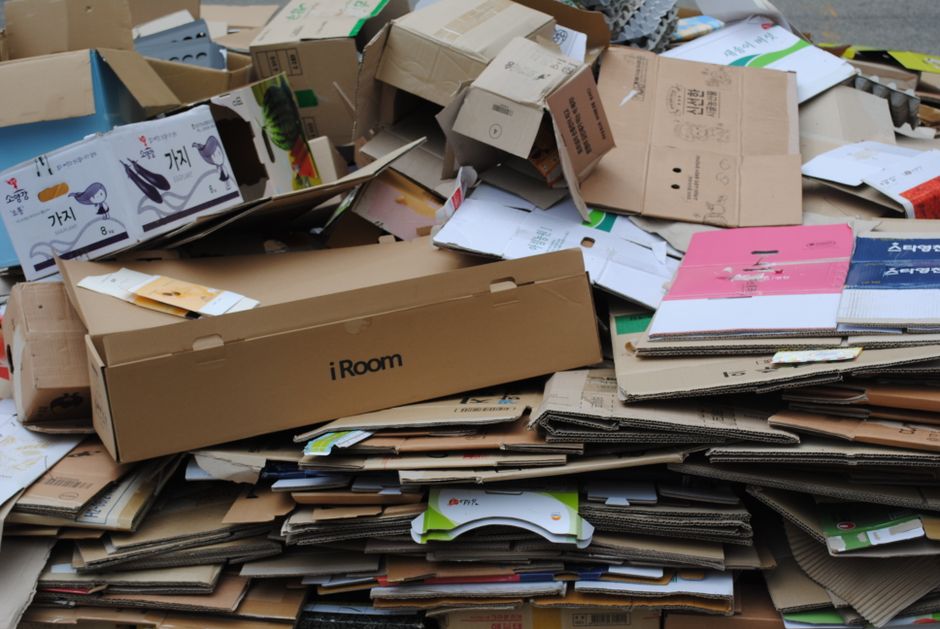
Why Commercial floral waste: disposal rules in Westminster Matters
In Westminster, space is tight, collection schedules matter, and businesses often work in buildings with shared access, limited storage, or strict waste room arrangements. That makes floral waste more than a simple bin-filling nuisance. Fresh flowers, foliage, damp paper, cellophane, ribbon, oasis foam, broken containers, and spent arrangements can all create different disposal needs. If those streams are mixed carelessly, the result is usually more mess, more smell, and more cost than it should be.
For florists, the issue is obvious. But it is not only florists. A hotel concierge desk clearing event flowers, a restaurant refreshing table arrangements, or a wedding venue removing large installations all produce commercial floral waste. If the waste is not separated and stored sensibly, it can attract pests, leak liquid, and make the premises harder to keep clean. Nobody wants that smell drifting from the bin store on a warm afternoon.
There is also the compliance side. Businesses are generally expected to manage their waste responsibly, store it safely, and use lawful collection arrangements. Westminster is a busy urban area, so loose bags left outside too early, overfilled containers, or contaminated waste streams can cause avoidable problems. To be fair, most issues are not dramatic. They are small, repeatable oversights. But those are exactly the ones that turn into fines, complaints, or unhappy neighbours.
Expert summary: Good floral waste management in Westminster is really about three things: keep the waste sorted, keep it contained, and keep collection arrangements realistic for the property and business type.
And there is a commercial upside too. A clean back-of-house area improves staff workflow, supports better hygiene, and reduces the time spent dealing with mess. Little things matter. Especially in a place where bins are not exactly hidden away and everyone is short on space.
How Commercial floral waste: disposal rules in Westminster Works
The core idea is simple: commercial floral waste should be separated where practical, stored safely, and collected through the correct waste route for the material type. In practice, that means understanding what kind of waste you are producing and how quickly it needs to leave the premises.
What counts as floral waste?
Floral waste is not just dead flowers. In a real business setting, it can include:
- cut flowers and foliage
- plant material trimmed during arranging
- wrapping paper and sleeves
- stems, thorns, and leaves
- water-soaked packaging
- ribbons, ties, tape, and tags
- broken pots, vases, and display accessories
- event waste from installations, garlands, or table pieces
Some of that material may be suitable for general commercial waste. Some may be recyclable if clean and accepted by your waste contractor. Some items, like foam, mixed packaging, or heavily contaminated materials, may need special handling or must simply go into residual waste. The point is not to make the process complicated. The point is to avoid treating everything as one big bag of mystery mush.
How the disposal flow usually works
- Waste is separated as it is created.
- Reusable items are removed first, such as vases, mechanics, ribbons, and salvageable packaging.
- Organic floral matter is bagged or contained in line with the contractor's instructions.
- Recyclables are kept clean and dry where recycling is available.
- Residual waste is stored in sealed bins or sacks until collection.
- Collections are scheduled frequently enough to prevent overflow, odour, or leakage.
In Westminster, that last part matters more than people expect. Central London premises often have awkward access times, shared storage, and limited bin capacity. If collections are too infrequent, the waste does not magically become manageable. It just becomes someone else's headache later in the day.
What businesses often miss
One common oversight is assuming all floral waste is "organic" and therefore can be handled like garden waste. Commercial premises do not usually operate like a private garden compost setup. Another mistake is mixing wet stems with cardboard and paper, which ruins recyclable materials. A third is storing waste in open containers, which creates both smell and hygiene issues. Small error, big irritation.
If your business also handles event flowers, you may see a pattern: a rush of stems and packaging after an installation, then a quieter period, then another rush around the weekend. Planning for those peaks is part of good disposal management, not an optional extra.
Key Benefits and Practical Advantages
Keeping floral waste disposal organised is not just about staying on the right side of rules. It makes day-to-day work smoother in ways staff notice immediately.
- Cleaner premises: Less loose debris, less water on floors, and fewer stained bags waiting around.
- Better hygiene: Reduced risk of mould, pests, and unpleasant odours.
- More efficient working: Staff know where waste goes, so they spend less time improvising.
- Lower contamination: Recyclables stay cleaner when wet flower waste is separated early.
- Improved presentation: Important for customer-facing spaces, especially hotels, restaurants, and retail.
- Less waste stress: Fewer "what do we do with this?" moments at busy times.
There is also a quieter benefit: it protects your team's rhythm. A tidy waste routine gives people one less thing to worry about. That sounds minor until you are in the middle of a delivery day and the back room is already full. Then it suddenly feels very important indeed.
For businesses that place a strong emphasis on sustainability, a more disciplined waste process can also support broader environmental aims. If your operation uses recyclable packaging, reuses display materials, or keeps organic material separate where feasible, you are already moving in a better direction. It does not have to be a grand statement. It just has to be consistent.
Who This Is For and When It Makes Sense
This guide is relevant to any Westminster business that generates flowers, foliage, or floral packaging as part of normal operations. That includes small independents and larger organisations alike.
Typical businesses that need a clear waste routine
- Florists and flower studios: regular trim waste, wrapping, boxes, and damaged stock
- Hotels: lobby displays, suite arrangements, and event flowers
- Restaurants and cafes: table flowers and occasion displays
- Wedding and event venues: bouquets, centrepieces, installations, and teardown waste
- Offices and corporate premises: reception arrangements and event floristry
- Funeral directors and memorial venues: tributes, sprays, wreaths, and associated packaging
It also makes sense if your premises have limited bin space, shared collection points, or public-facing waste stores. Westminster businesses often do. The reality is that central London properties are not always designed with modern waste volume in mind.
If you only create a small amount of floral waste occasionally, you may not need a complicated system. But you still need a clear one. Even a modest arrangement can become awkward once it starts shedding water and petals across a busy prep area.
When to review your setup
You should revisit your waste process if any of the following happen:
- you are expanding flower sales or event work
- your waste collection is overflowing
- staff are unsure what goes where
- neighbours or building management have raised concerns
- you are introducing more packaging or decorative materials
- you are changing premises, opening late, or operating seasonally
If that sounds familiar, you are not alone. Many businesses only notice the weakness in their system after a busy week exposes it. That is normal. The trick is to fix it before it becomes a habit.
Step-by-Step Guidance
Here is a straightforward way to manage commercial floral waste in Westminster without overcomplicating it.
1. Identify your waste types
Start by listing the main waste streams your business creates. For most floral businesses, that means organic flower waste, recyclable packaging, residual rubbish, and reusable items. Once the team can see the categories, the rest becomes easier.
2. Put separate containers in the right places
Do not rely on one bin for everything. Have clearly marked containers for green waste, recyclables, and general waste where space allows. If a container is small but easy to reach, people are more likely to use it correctly. Simple, but true.
3. Remove reuse items first
Before anything goes into waste, check for items that can be reused or returned to stock. Vases, glassware, trays, display mechanics, and some packaging can often be kept in circulation. This reduces waste and saves money. A tiny habit, repeated often, can make a surprising difference.
4. Keep wet waste contained
Fresh stems and soaked materials should be bagged or lined so they do not leak. If the waste smells or seeps, the whole store area becomes more difficult to manage. Closed lids and secure sacks are worth their weight in gold on a damp day.
5. Protect recyclables from contamination
Paper, cardboard, and certain clean plastics only remain recyclable if they stay dry and reasonably clean. Once flower water, soil, or compostable residue gets into the mix, the value drops quickly. In plain English: keep the soggy stuff away from the dry stuff.
6. Match collection frequency to your workflow
Review how much waste you create on peak days. Weddings, holidays, Valentine's Day, Mother's Day, and event seasons can all change the volume sharply. If collections are too sparse, you will end up stacking bags in hallways or service yards. Nobody wants to trip over Monday's roses on a Friday.
7. Train staff in a few clear rules
Staff do not need a lecture. They need a few practical rules they can remember under pressure. For example: "wet waste in this bin, cardboard clean and dry, vases returned to storage." Keep it simple and visible.
8. Review and improve monthly
A five-minute monthly check is usually enough to spot recurring issues. Are the same items being put in the wrong place? Are bins filling too fast? Are sacks splitting? Small adjustments early prevent larger problems later. Let's face it, waste routines only work when they are actually used.
Expert Tips for Better Results
After working with busy commercial premises, a few patterns become obvious. The best waste systems are not the most complicated. They are the most consistent.
- Use the smallest practical bin for worktops: It encourages quicker emptying and prevents overflow on prep surfaces.
- Keep a separate "salvage" tray: Useful for ribbons, vases, and reusable accessories that might otherwise get tossed by accident.
- Label bins in plain English: Staff respond better to "flower waste," "cardboard," and "general waste" than to abstract recycling jargon.
- Store waste away from heat where possible: Warm spaces accelerate odour and mess.
- Schedule a post-delivery clear-down: Especially after large drops of stock, because waste builds quickly in the first hour.
- Watch for seasonal spikes: Valentine's week, Mother's Day, weddings, and Christmas can all change the shape of your waste problem.
A practical detail people often overlook: the smell test. If the waste store smells before collection day, the system is already too loose. You do not need perfume. You need a tighter routine.
Another useful habit is to place a small sign near the prep area showing what happens to common items. In a rushed environment, that sign saves a lot of guesswork. It is not glamorous, but it works.
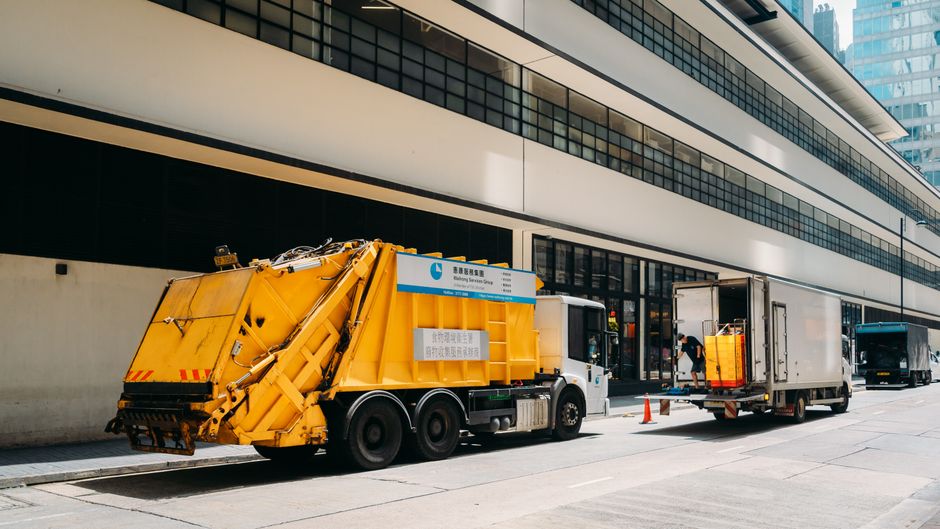
Common Mistakes to Avoid
Most floral waste problems come from a short list of avoidable mistakes. Nothing dramatic. Just familiar slip-ups that keep repeating.
- Mixing everything together: This makes recycling harder and creates messy bins.
- Leaving wet stems in open bags: Odour, leakage, and pest risk all increase.
- Overfilling bins: Bags split, lids fail, and staff stop trusting the system.
- Ignoring packaging contamination: Wet cardboard often becomes non-recyclable.
- Storing waste too long: Particularly in warm weather or busy event periods.
- Assuming the same process works for every site: A flower shop and a hotel back office do not produce waste in the same way.
- Not training temporary staff: Seasonal helpers can unintentionally undo a decent system in one busy shift.
One of the more common issues in Westminster is simply underestimating access constraints. You may have the perfect waste plan on paper, but if the bin store is awkward, the lift is shared, or collections must happen at narrow time windows, the plan has to reflect reality. The building always wins. Best to work with it.
Tools, Resources and Recommendations
You do not need an expensive setup to manage floral waste well. A few basic tools and sensible procedures are usually enough.
- Clearly labelled bins: Make sorting obvious at a glance.
- Heavy-duty sacks: Useful for wet stems and mixed residual waste.
- Spill trays or liners: Helpful where water and petals tend to gather.
- Cleaning cloths and disinfectant: For routine clean-downs after packing or arranging.
- Storage shelves or crates: Good for keeping reusable vases and display materials separate from waste.
- Simple staff guide: A one-page sheet works better than a long manual no one reads.
If your business also handles gifting, subscriptions, or recurring flower deliveries, it helps to have a rhythm for incoming and outgoing stock. Some businesses pair floral care routines with their waste routines so the whole workspace stays under control. If that is relevant to you, a practical resource like flower care guidance can support the broader day-to-day handling of fresh stock.
For businesses with regular corporate or hospitality requirements, it may also be useful to think about the operational side of flower supply itself. A more stable supply pattern often creates a more predictable waste pattern too. In that sense, a page like corporate accounts can be relevant where repeat ordering, scheduled arrangements, and ongoing service are part of the picture.
If you need to understand wider service standards, ordering, or delivery expectations, it can help to review the business's general terms and guarantees as part of due diligence. For example, guarantees and terms and conditions give context on how a supplier structures service commitments, which is useful when you are building a more predictable business process.
Law, Compliance, Standards, or Best Practice
Commercial floral waste disposal in Westminster sits within the broader UK framework for business waste management. The exact requirements can depend on the material, the premises, and the collection arrangement, so it is wise to treat this as an operational compliance issue rather than a casual housekeeping task.
In practical terms, businesses are generally expected to:
- store waste safely and securely
- prevent waste from escaping or causing a nuisance
- keep different waste types separate where appropriate
- use authorised collection arrangements
- avoid fly-tipping or illegal dumping
- maintain a clean and controlled waste area
That is the broad shape of it. The details matter, of course, but those are usually handled through your waste contractor, building management, and internal procedures. If you are unsure whether a material belongs in general waste, recycling, or a separate stream, it is better to ask before disposal than to guess. Guessing is expensive in waste management. Oddly often.
Best practice also means keeping records of what goes out, how often collections happen, and whether any recurring contamination issues are appearing. You do not need a giant spreadsheet. Just enough visibility to spot trends. If a business is generating large volumes of floral waste, or operating across multiple sites, a more formal review may be sensible.
For Westminster premises, there is an added local reality: space and timing. Compliance is not only about the law on paper. It is also about whether your back-of-house setup can actually support lawful, clean, and regular waste handling in a dense urban environment.
Options, Methods, or Comparison Table
Different businesses manage floral waste in different ways. The right method depends on volume, available space, and the mix of materials you generate.
| Method | Best for | Pros | Limitations |
|---|---|---|---|
| General residual waste only | Very small volumes, mixed waste, limited space | Simple to manage, easy for small teams | Less sustainable, more contamination, more landfill dependence |
| Separated organic and residual streams | Florists, venues, hotels, busy commercial sites | Cleaner workspace, better sorting, easier housekeeping | Needs clearer staff training and more bins |
| Reuse-first workflow | Businesses with vases, props, and display materials | Reduces waste, lowers purchasing costs, more efficient stock use | Requires disciplined checking and storage space |
| Scheduled high-frequency collections | High-volume operations and event-led businesses | Less overflow, less odour, safer storage | May cost more and needs precise timing |
For many Westminster businesses, the sweet spot is a mix of separated streams, reuse where possible, and frequent enough collections to avoid overflow. That approach tends to feel a little more organised straight away. Not perfect, but properly manageable.
Case Study or Real-World Example
Picture a small floral business near a busy Westminster street. The team creates same-day bouquets in the morning, prepares a hotel lobby arrangement at lunch, and handles an afternoon funeral tribute order. By 4 p.m., the back room has short stem cuttings, damp wrapping, bits of ribbon, and a couple of broken cellophane sleeves. It is not a mountain of waste, but it is enough to make the workspace feel messy and rushed.
The turning point came when the team stopped using one all-purpose bin. They added a separate caddy for green waste, a dry container for cardboard and clean paper, and a small shelf for reusable vases and mechanics. Staff were told one simple rule: wet waste stays sealed, dry waste stays dry. That was it. No grand policy document.
Within a short time, the room stayed cleaner, the waste bags held together better, and staff stopped asking where things should go every few minutes. The owner also noticed fewer "where did that missing vase go?" moments, which saved money in a very ordinary but very real way.
There was still the occasional rogue ribbon or half-crumpled sleeve in the wrong place. Human beings, after all. But the overall system worked because it matched the pace of the business rather than fighting it.
Practical Checklist
Use this quick checklist to see whether your floral waste process is in good shape.
- Do we separate wet floral waste from dry recyclable packaging?
- Are bins clearly labelled in plain language?
- Are reusable items removed before waste disposal?
- Are waste containers sealed, lidded, or otherwise secure?
- Do we have enough collection frequency for busy days?
- Are staff trained on what goes where?
- Have we checked whether any materials need special handling?
- Is the waste area clean enough to avoid smells, leaks, or pests?
- Do we review waste issues after seasonal peaks?
- Would a new temporary staff member understand the system within five minutes?
If you answered "not really" to a couple of those, that is fine. Most businesses do at first. Start with the easiest fixes and tighten the system one step at a time.
Conclusion
Commercial floral waste in Westminster is manageable when you treat it like an operational routine rather than an afterthought. Separate the waste, contain the wet material, protect your recyclables, and make collections match the real pace of your business. That is the heart of it. Not glamorous, but effective.
For florists and commercial premises alike, the real win is not just compliance. It is calmer working conditions, cleaner storage, and fewer unpleasant surprises at the end of the day. Once the system is in place, you barely think about it. Which, honestly, is exactly how good waste management should feel.
If you are reviewing your wider flower operations, it can also help to look at product and service pages that reflect how your business works day to day, such as about us and contact us, especially when aligning supply, service, and ongoing requirements. A small amount of clarity now can save a lot of scrambling later.
Get a free quote today and see how much you can save.
And if you take only one thing from this guide, make it this: tidy waste habits are never wasted effort. They quietly make the whole place feel more in control.

Frequently Asked Questions
What counts as commercial floral waste in Westminster?
Commercial floral waste usually includes cut flowers, leaves, stems, foliage, wrapping, damaged arrangements, and related packaging created by a business rather than a household. In a Westminster setting, it can also include event teardown waste from venues, hotels, and offices. The key is to separate what can be reused, recycled, or safely disposed of.
Can I put flower waste in general waste?
Sometimes, yes, but it depends on the material and your contractor's instructions. Wet floral waste may go into residual waste if no separate organic route is available. However, clean cardboard, paper, and reusable items should be kept out of general waste where possible. Mixing everything together usually creates more problems than it solves.
Do florists in Westminster need special disposal arrangements?
Not always "special" in the dramatic sense, but they do need a sensible commercial waste setup. Florists often produce a mix of wet organic waste and dry packaging, so a single-bin approach is rarely ideal. The practical goal is to keep waste contained, separated where appropriate, and collected often enough to avoid overflow.
How often should floral waste be collected?
That depends on volume, property size, and access arrangements. A busy florist or event-led business may need far more frequent collections than a small office reception area. If waste is filling before the next scheduled pickup, the frequency is too low. The room usually tells you before the spreadsheet does.
Is flower water treated the same as flower stems?
No, not really. Flower water and soaked packaging can cause leakage, odour, and contamination, so they should be handled carefully. Stems and foliage are one thing; standing water and saturated materials create another layer of mess. It is best to drain and contain them before disposal where your system allows.
Can floral packaging be recycled?
Some of it can, but only if it is clean and accepted by your collection provider. Cardboard sleeves, plain paper, and certain plastics may be recyclable if they are not contaminated by water, soil, or plant residue. Once packaging gets wet and dirty, it often becomes residual waste instead.
What should I do with broken vases or containers?
Broken vases, glass, and containers should be separated from flower waste if possible and handled carefully to avoid injury. Depending on the material, they may go into glass recycling, general waste, or a designated breakage container. The important thing is not to toss sharp items into the same bag as stems and leaves.
Are there local Westminster rules I need to know?
Businesses in Westminster should follow general UK business waste duties and any building-specific rules that apply to storage and collections. The practical local issue is often access: limited bin space, narrow service times, and shared storage areas. Those operational constraints matter just as much as the written rulebook.
How can I reduce floral waste in my business?
Plan stock carefully, reuse display materials where possible, match ordering to demand, and train staff to separate salvageable items early. Even a small reduction in over-ordering can make a noticeable difference. It also helps to review seasonal patterns so you are not left with too much product after peak events.
What are the biggest mistakes businesses make with floral waste?
The most common mistakes are mixing all waste together, leaving wet material in open bags, ignoring collection frequency, and failing to train temporary staff. These are simple errors, but they create smells, mess, and sometimes compliance issues. Usually, the fix is a better routine rather than a costly overhaul.
Can floral waste become a pest problem?
Yes. Wet organic waste can attract pests if it is left too long, stored badly, or allowed to leak. That is one reason sealed containers, frequent collection, and clean storage areas matter so much. A tidy waste area is not just about appearance; it is part of basic hygiene.
What is the best first step if my current system is messy?
Start by sorting waste into only three groups: reusable items, dry recyclables, and wet residual waste. Then label the containers and train staff on those three rules. It is a simple reset, but it often clears up the biggest problems quickly. Once that works, you can fine-tune the process further.